

Cosmetic claims need evidence, but not all evidence looks the same. Clinical efficacy instrumental tests support “hard” performance claims, while consumer testing generates perception-based outcomes such as “82% of women felt their skin was more hydrated after 4 weeks of use.” These studies capture how real users experience your product in everyday life and are essential for building credible, user-centered claims.
Why Consumer Testing Matters
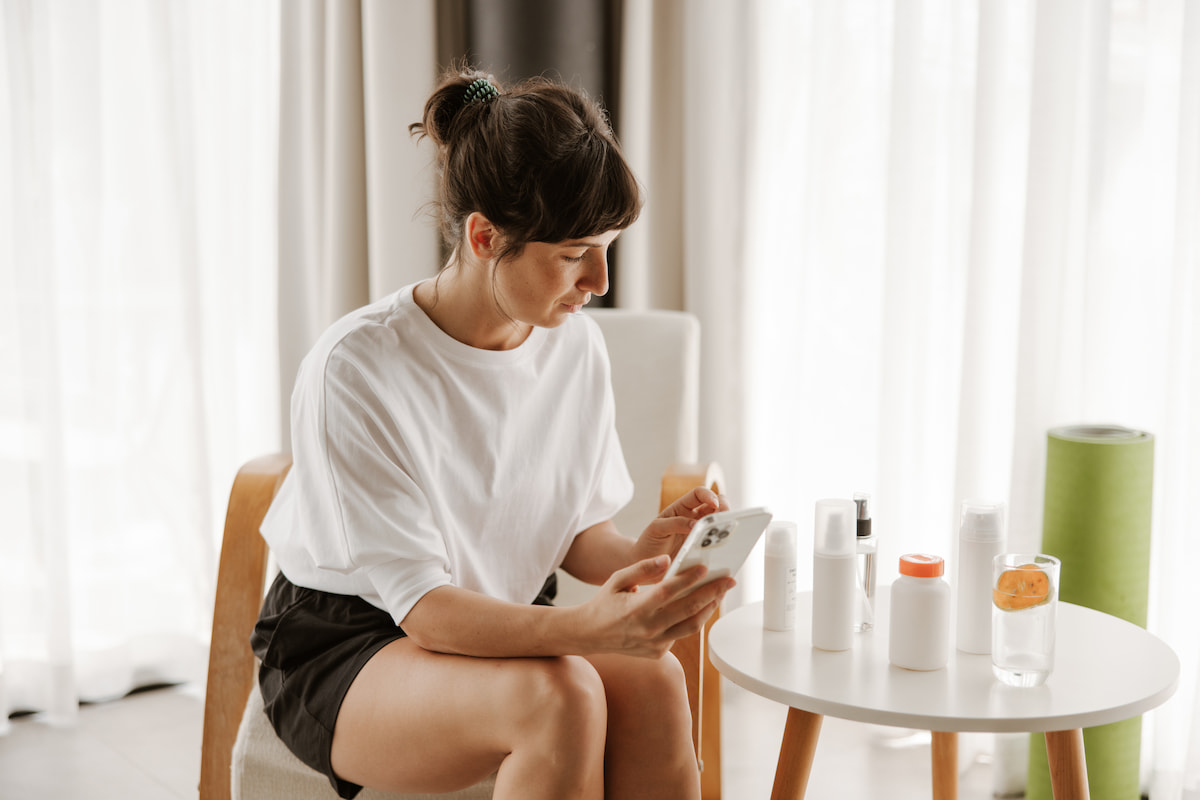
Brands must be able to substantiate every claim they make, including how products feel and how consumers perceive results. Consumer perception and in-use studies do this by collecting structured feedback through questionnaires from study participants who use products at home (under normal conditions of use).
Unlike clinical efficacy studies, which measure endpoints like wrinkle depth or hydration level, consumer testing focuses on questions such as:
- “Does your skin feel more hydrated?”
- “Does your complexion look more even?”
- “Did the foundation still look even at the end of the day?”
The output is typically perception-driven statements, for example:
- “82% of women felt their skin was more hydrated after 4 weeks.”
- “88% of users agreed their skin looked more radiant.”
- “91% of participants said the foundation provided even coverage all day.”
These results reflect the expectations of the “average user”, which is exactly what regulators and advertising bodies look at when deciding if claims are fair and not misleading.
How Consumer Testing Complements Clinical and Instrumental Data
Consumer testing does not replace clinical or instrumental work; it completes the picture.
- Clinical/instrumental studies show what the product does objectively (for example, +15% hydration, −8% wrinkle depth).
- Consumer perception studies show whether people notice and value those effects (“84% felt their skin was more comfortable and less dry”).
Together, they ensure that the story you tell in your claims matches both the science and the user experience. They also highlight where sensorial aspects (texture, scent, after-feel) may need adjustment to support the technical performance. Furthermore, in our experience, we’ve seen products perform extremely well on an instrumental level, while consumer feedback was only modest, and the reverse also happens. Ultimately, you want to launch a product that not only performs well objectively but is clearly perceived by consumers to perform well.
What Consumer Testing Can Reveal
Well-designed studies can generate claim-ready insights across:
- Texture and absorption – “89% agreed the product absorbed quickly and did not leave a greasy film.”
- Scent and sensorial profile – “83% found the fragrance pleasant and not overpowering.”
- Comfort and tolerance – “86% said their skin felt comfortable, without tightness or dryness.”
- Perceived efficacy and appearance – “88% felt their skin looked more radiant,” “79% reported a more even-looking complexion.”
- Ease of use and satisfaction – “90% agreed the product was easy to apply,” “87% would consider purchasing the product.
Because these outcomes are subjective, questionnaire design, scales, and sample size must be carefully planned so that the resulting percentages are both meaningful and defensible.
Building the Right Testing Strategy
A strong consumer-testing strategy starts with who you test and how you present the product.
- Match the panel to real consumers:
- Recruit subjects who mirror your intended target population: dry-skin users for a rich cream, regular foundation users for a base product, curly-hair users for a curl cream, and so on. That way, the percentages you quote genuinely reflect your target population.
- Anonymous vs final packaging:
- Early-stage work: neutral or anonymous packaging is useful when you want to focus purely on the formula and remove brand/design bias.
- Late-stage/near launch: using final or near-final packaging lets you capture issues like pump performance, ease of dosing, closure, and in-hand feel, alongside product perception.
- Use studies to finalize key choices:
- Consumer tests are an ideal moment to compare different pumps or dispensers, test two fragrance options or intensities, or validate that format, instructions and pack size are intuitive. You’re not just validating claims; you’re also de-risking practical design decisions.
Done well, consumer testing becomes both a claims engine and a design validation tool: the same study can generate strong, perception-based claims and provide feedback that refines formula, scent and packaging.
How Consumer Tests Are Typically Run
Most robust consumer tests follow a similar structure:
- Panel size – Often 30–100 participants, depending on how ambitious and segmented your claims are.
- Duration – Typically 7–28 days, matched to the timeframe referenced in your claims.
- Real-life conditions – At-home use according to clear and realistic instructions.
- Supervised first use – To ensure correct application and check immediate tolerance.
- Structured questionnaires – Self-assessment forms aligned directly to the claims you want to support.
- Optional add-ons – Before/after photos or brief investigator observations, especially for visible outcomes like glow or hair shine.
The final report summarizes methodology, panel profile, key percentages and a set of claim-ready sentences that you can integrate into marketing, pack copy and regulatory files.
The Business Value Behind Consumer Testing
Investing in consumer testing delivers:
-
-
-
-
-
- Stronger, lower-risk claims – Percentage-based claims grounded in real user feedback are easier to defend to retailers, regulators and competitors.
- Better product–market fit – You see what users actually love or dislike, enabling you to optimize texture, fragrance, packaging details and messaging before full launch.
- Clearer, more persuasive communication – Instead of vague promises, you can say:
- “82% of women felt their skin was more hydrated after 4 weeks of daily use.”
- “90% agreed the foundation provided even coverage throughout the day.”
- Greater trust and credibility – Showing that your claims are built on structured feedback from real users rather than assumptions strengthens your reputation for transparency and seriousness. You can also explicitly reference the study itself in your marketing (for example, “In a consumer study with 50/100 participants…”) to make the evidence behind your claims clear and concrete.
- Efficiency by combining consumer perception with Safety-in-Use – You can streamline timelines and costs by combining a consumer study with a medical professional (e.g., a dermatologist) supervised safety-in-use component. For example, you might run a 100 participants consumer perception study and, within that same cohort, include a subset of around 30 panelists in a structured safety in use evaluation. This way you generate both perception-based claims and medically overseen safety data in a single, integrated study design. Find out more about Safety studies in this article.
-
-
-
-
If you want to claim with confidence, consumer perception and in-use studies are not optional extras; they are a core part of modern cosmetic evidence strategy, bridging the gap between what your product does in the lab and how people truly experience it.