
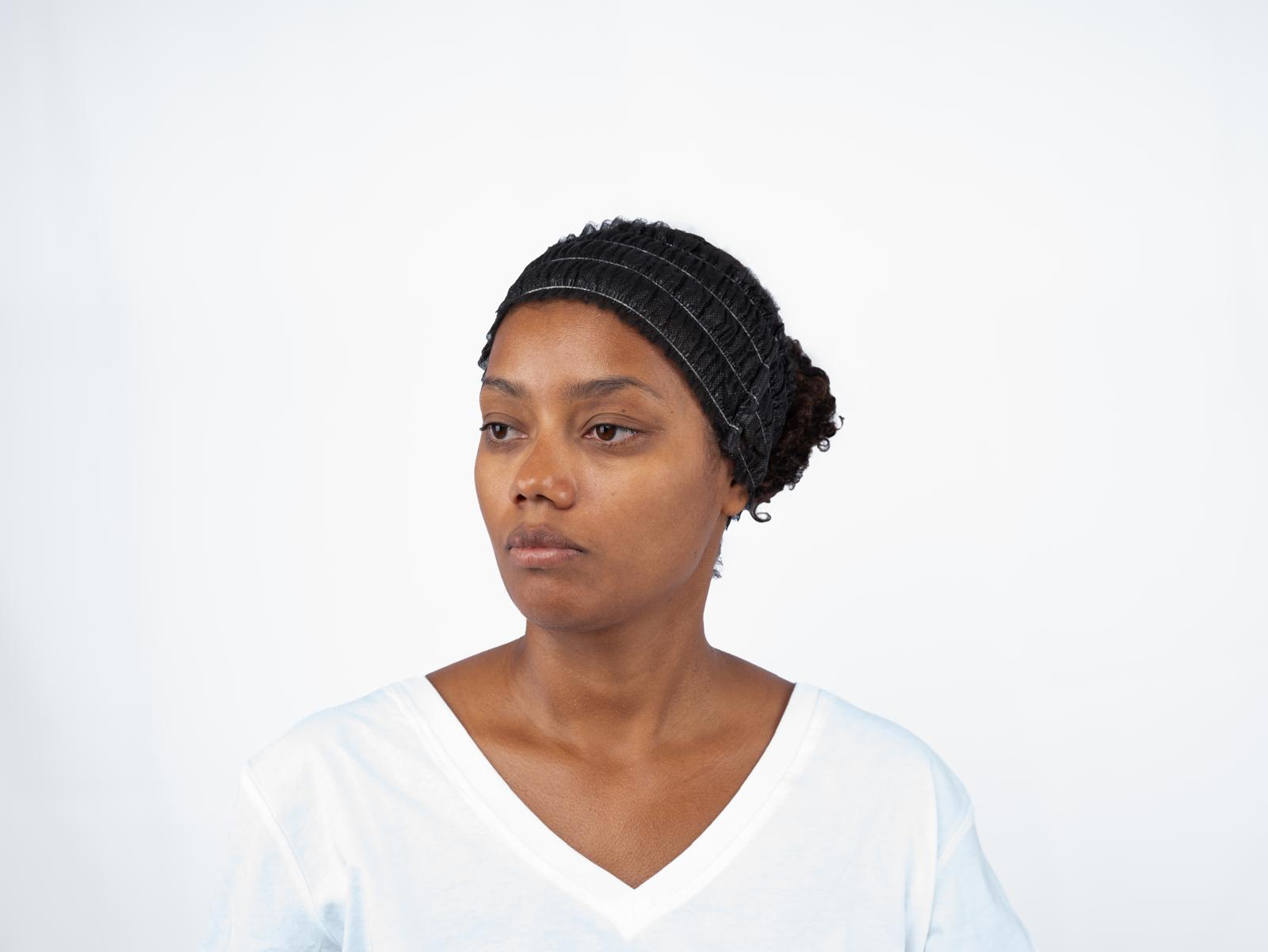
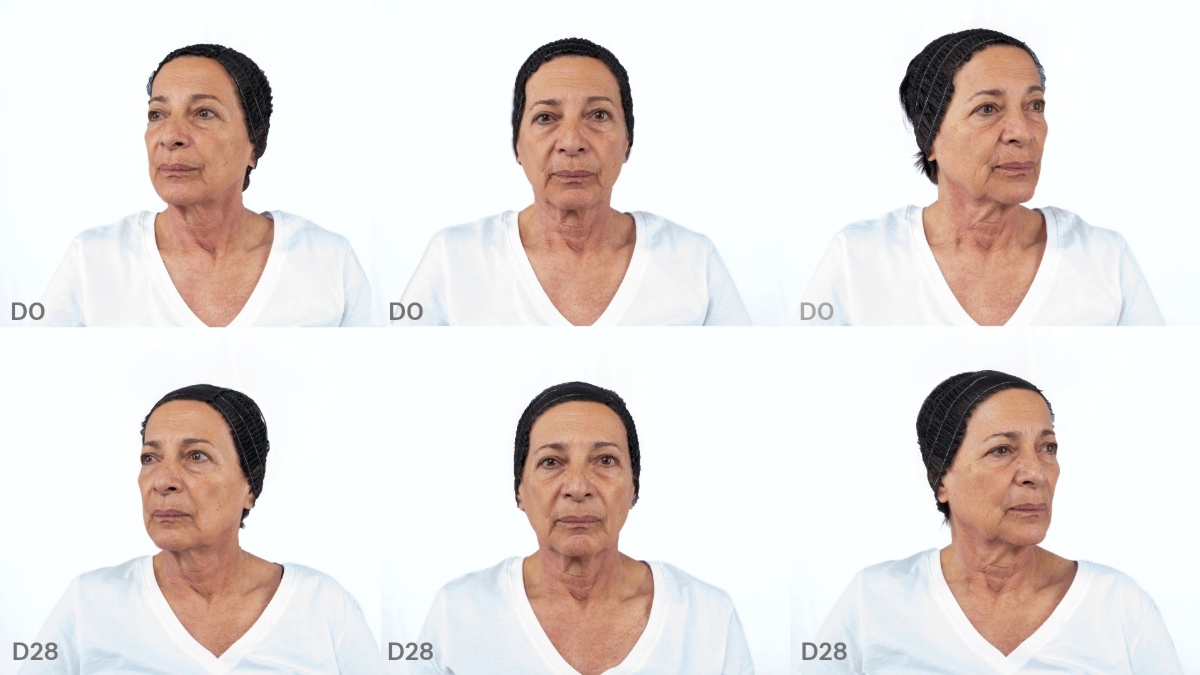
One of the clearest trends we have seen in cosmetic clinical studies lately is the move toward clinical «lifestyle photos». Brands want before and after (B&A) pictures that look like real people in real light, not like a page from a medical file. A clinical lifestyle photo shows the face or the treated area in a natural and flattering way, close to how consumers see themselves in the mirror or how they see products on social media. That is what makes them so appealing. They feel authentic, people relate to them and they fit straight into a campaign, a product page or a social post.
For now, the gold standard for clinical B&A photography is the VISIA-CR. It produces excellent images for analysis, but they look like what they are: clinical documentation taken in a photo booth. Clinical lifestyle photos have the same goal of showing the B&A difference, but they serve a different purpose. You run a clinical study and get a marketing output your team can use directly in a campaign, with images that still come from real participants, real product use and documented visits.
Good clinical photography looks simple. You take a picture at D0, repeat it at the following protocol-defined checkpoints and compare the results. In practice, there is quite a bit more to it, especially when there is no photo booth holding everything in place. As a cosmetic testing house (CRO), we have now run clinical lifestyle photography across our studies. Here are five things we have learned.
1. A Great Clinical Technician Is Not Necessarily a Great Photographer
Clinical assessments and professional photography require different skills. Our technicians are great at what they are trained to do: attending participants, taking measurements and doing clinical grading. They are a big part of why the data in a study is reliable. But they are not professional photographers and clinical lifestyle photos need one. Light, composition, framing and getting a natural expression from someone who is a bit nervous in front of the camera are skills that take years to build.
That’s why we rely on a professional photographer for high-quality lifestyle images. It also turned out that the camera matters less than most people expect. A well-designed setup and controlled conditions in the hands of someone who knows how to use them will produce better clinical images than expensive equipment used inconsistently.
2. Consistent Photography Doesn’t Mean Identical Photographs
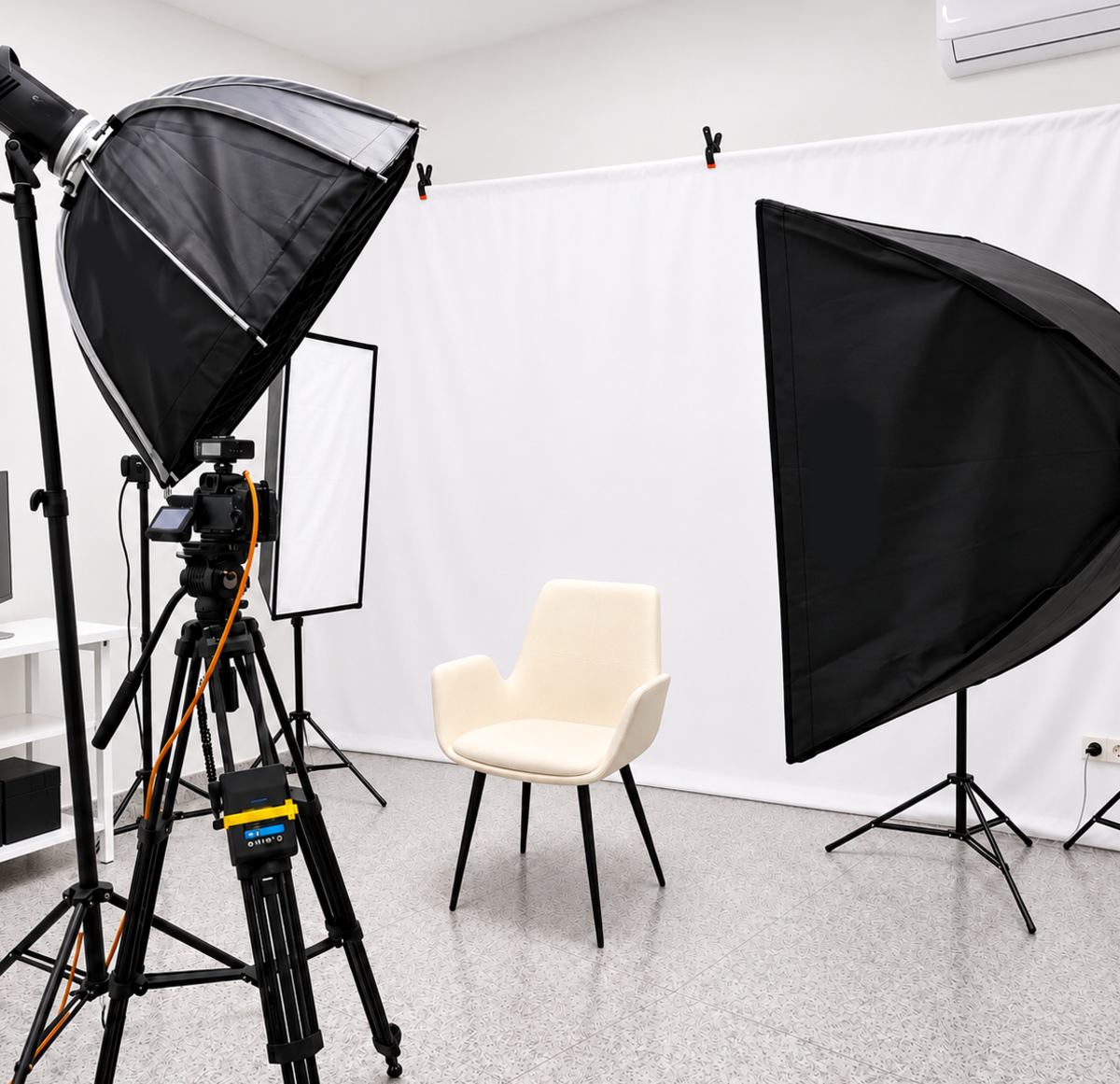
The aim is to achieve highly consistent, reproducible photographs across visits. But people breathe, move, change their posture and hold their heads slightly differently from one visit to another. Unlike imaging systems such as the VISIA-CR, which use fixed head and chin rests, conventional photography cannot guarantee perfectly identical positioning.
You can control the lighting, distance, angles and positioning instructions, but expecting two photographs taken weeks apart to be pixel-perfect is simply unrealistic. The goal should be to minimize variability, not pretend it can be eliminated. In practice that means clear positioning instructions, reference marks on the floor and a quick look at the baseline image before each new shot, so the follow-up photo comes as close as possible to the first one.
3. Good Clinical Photography Starts Before the First Picture
The actual photograph is only a small part of the process. Preparing the room, defining camera angles, standardizing participant preparation and training the team are all essential. Before any cosmetics testing that includes photography starts, we want these questions answered:
- The room: where the photos will be taken, how outside light is blocked and what background will be used.
- The camera angles: which views are needed (frontal, left and right 45 degrees, profile or close-ups of a specific area) and how each one is framed.
- Participant preparation: makeup removed, hair tied back, jewelry and glasses off and a few minutes to settle so any flushing from the trip to the clinic doesn’t end up in the picture.
- The team: who takes the photos, who supports the photographer and who checks the images before the participant leaves.
All of this goes into a clear photographic protocol, ideally with reference images showing the correct framing for each view. That protocol is what keeps results consistent across study visits. The more decisions you make before the study starts, the fewer variables you have to deal with later.
4. Agreeing to Be Photographed Doesn’t Mean Feeling Comfortable in Front of a Camera
Participant pre-selection matters in every clinical study, but photography adds another consideration. Someone may be perfectly willing to participate, sign the informed consent form and agree to have their photographs taken, yet still feel uncomfortable when standing in front of the camera.
And that discomfort can show in the pictures. An unnatural facial expression, tense shoulders or a stiff posture can make it harder to reproduce consistent images across visits and it is exactly the kind of thing that makes a lifestyle photo unusable for marketing.
That’s why we believe participant screening should go beyond confirming eligibility and consent. Often, it comes down to a short conversation during screening about what the photo sessions will involve and paying attention to how the person reacts. Pre-selection is key. During the study, a calm room, a familiar face behind the camera and a few seconds to relax before each shot do the rest.
5. VISIA-CR or Clinical Lifestyle Photos? Why Not Both?
VISIA-CR offers standardized facial imaging for assessing specific skin parameters. The head is fixed, the lighting is designed for analysis and you can zoom in on fine detail, which makes it the stronger choice for measuring results and for showing consumers on your website that your products have been through clinical testing. Professional photography provides flexibility and high-resolution images ideal for marketing campaigns. It is not as precise for clinical analysis (although you can still zoom in and see real changes), but it is far more marketing friendly.
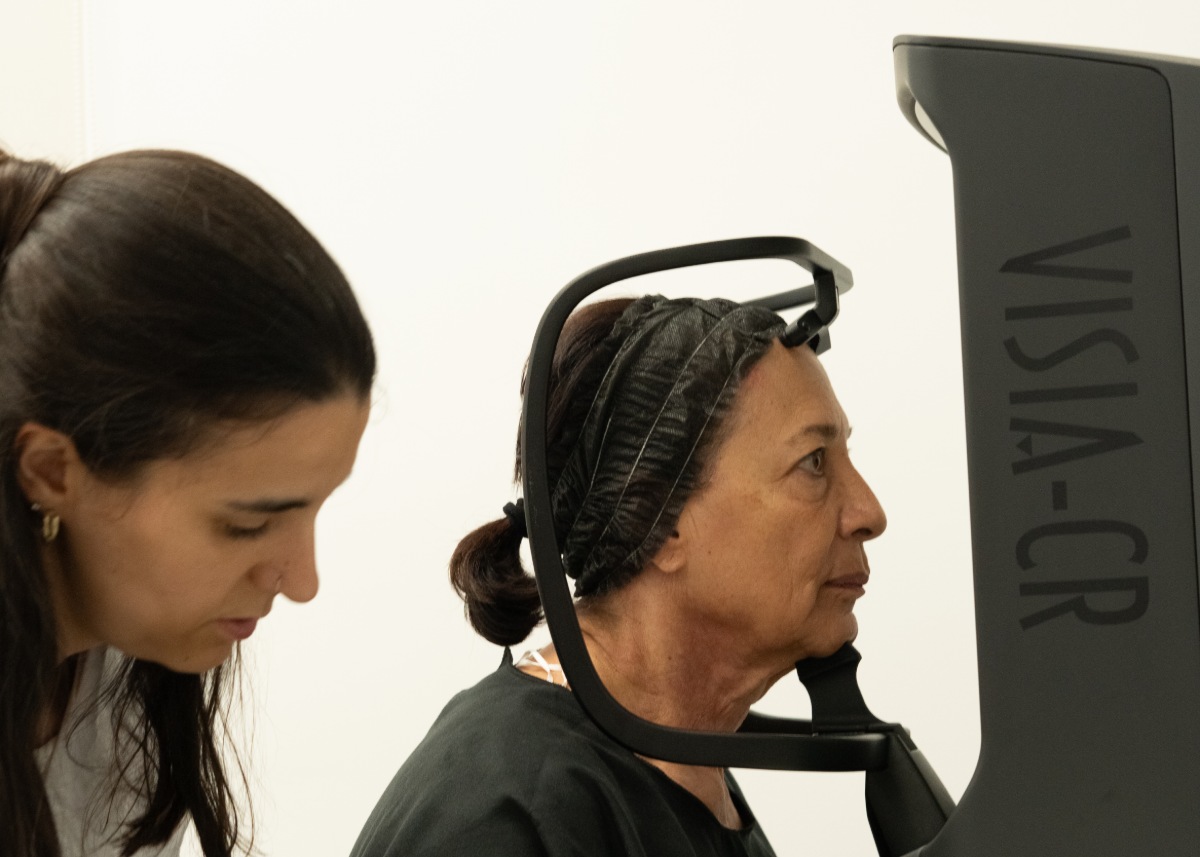
It doesn’t have to be one or the other. The same participant at the same visits can be photographed with both, giving you VISIA-CR images to analyze and support your claims, plus clinical lifestyle photos your marketing team can use directly. Combining both offers more possibilities from the same study. What matters is that the lifestyle photos still follow clinical rules: the same lighting at every visit, the same angles as baseline, no makeup and no retouching. If B&A pictures are going to support a claim, they have to hold up when someone looks at them closely.
What This Means for Your Next Clinical Study
If a clinical study includes photography, the useful questions for a cosmetic testing house (CRO) go well beyond which camera they use. Who actually takes the photos? How is positioning reproduced from one visit to the next? Is photography built into the protocol from day one, how are participants screened for it and will you get VISIA-CR images, clinical lifestyle photos or both?

At AQURA Labs we plan photography with the same care as the rest of the study design, because in many cases the images are what the claim ends up resting on and what the campaign is built around.